Building a cable production line is not the same as buying a single piece of equipment.
Buying an SZ stranding and cabling line: check the specs, negotiate the price, sign the contract, and wait for delivery. Building a complete cable production line involves much more – what products to make, what capacity, whether the factory is large enough, how to configure the equipment, when to start production, what the budget is, and whether the supplier is reliable.
These are all things you need to figure out before placing the order.
Step 1: First, Get Clear on What Products You Want to Make
This is the most fundamental question – and the one most people overlook.
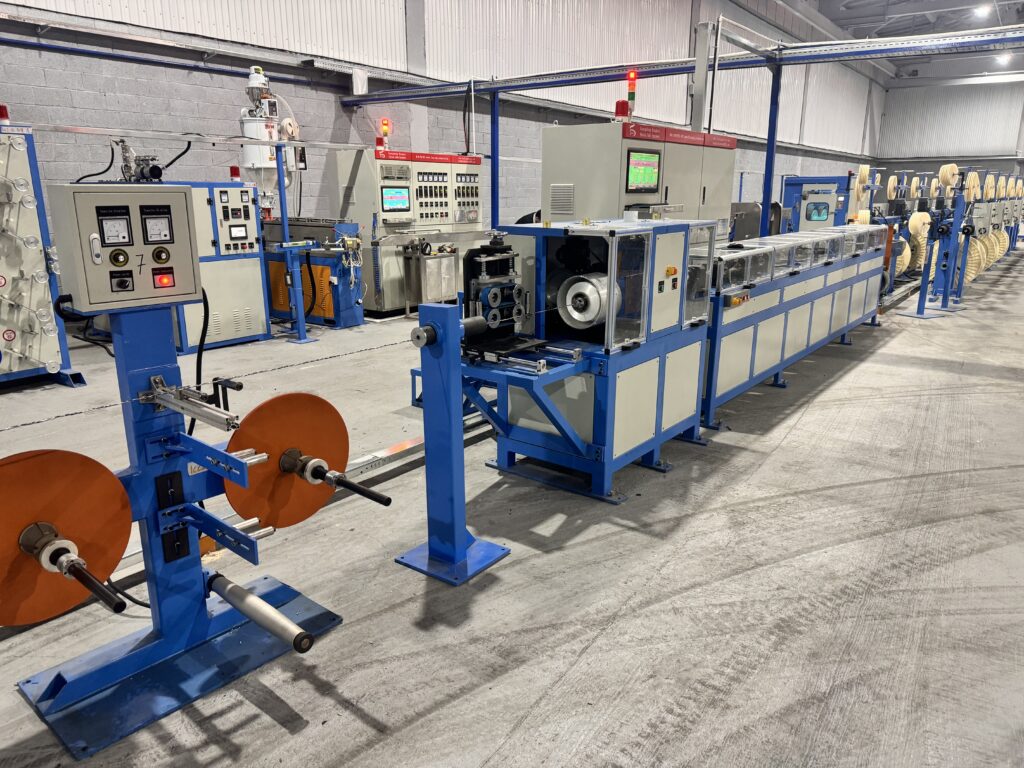
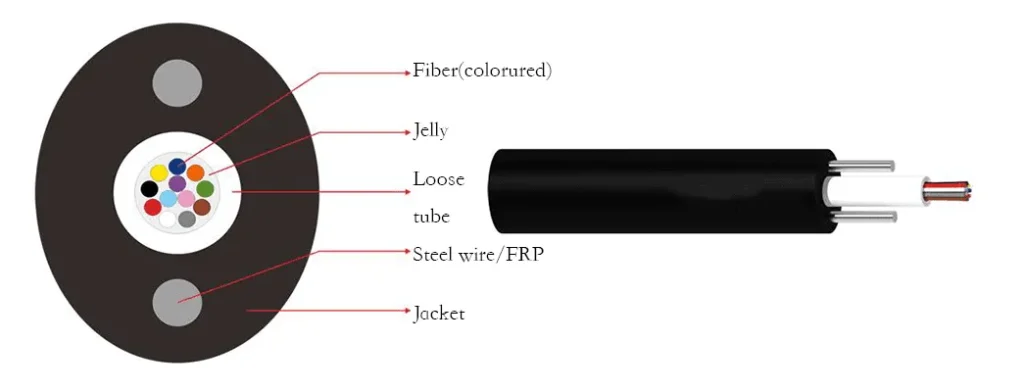
Loose-tube cables, FTTH drop cables, high-fiber-count cables – different products require completely different equipment. Loose-tube cables need an SZ stranding and cabling line. FTTH drop cables need a dedicated butterfly cable production line. High-fiber-count cables require stranding machines with more tube positions.
Some people say “I make cables” when buying equipment – only to discover after delivery that the machine can’t produce what they actually need.
Recommendation: Before buying equipment, write down your product specifications clearly – indoor or outdoor, loose-tube or butterfly, fiber count, sheath material. The more specific you are, the more accurate the equipment recommendation will be.
Step 2: Define Your Capacity Target
Capacity determines the equipment specifications and quantity.
Making a few hundred kilometers per year versus several thousand kilometers per year – the equipment configuration is completely different. For a few hundred kilometers per year, an entry-level configuration is sufficient. For several thousand kilometers per year, you need medium-to-high-speed lines. For over 10,000 kilometers per year, you need high-speed, highly automated equipment.
Capacity affects not only equipment selection but also workshop layout. A 3,000 km/year loose-tube cable line – how much floor space does the stranding machine and sheathing line take up? How many operators are needed? What are the utility requirements? All of these need to be calculated in advance.
Recommendation: Provide a clear annual or monthly production target – only then can the supplier recommend the appropriate equipment configuration.
Step 3: Confirm Your Production Launch Timeline
From order placement to production launch, there are several stages: manufacturing, shipping, installation, and commissioning.
An SZ stranding and cabling line takes 25 to 30 working days from material cutting to factory release. Sheathing lines are slightly faster – 20 to 25 working days. A complete line (stranding + sheathing + auxiliaries) takes 45 to 60 working days from contract to factory release.
If the equipment is for export, add shipping time – 7 to 15 days to Southeast Asia, 20 to 30 days to the Middle East, 30 to 40 days to Europe.
The earlier you set your production launch date, the greater the pressure on equipment delivery. Some customers say “no rush” when signing the contract, then suddenly ask two months later “can you deliver a month early?” – at that point, no one can conjure up equipment out of thin air.
Recommendation: Set a clear planned production launch date, work backward to determine the order placement date, and allow plenty of buffer time.
Step 4: Establish a Clear Budget Range
Equipment prices vary significantly. An SZ stranding and cabling line – cheap ones start around 500,000 RMB, expensive ones over 800,000 RMB. The difference comes down to differential gear materials, bearing brands, and the quality of electrical components.
The advantage of a clear budget: the supplier can recommend the most suitable configuration within your range, rather than blindly quoting a plan that exceeds your budget – or compromising key components to meet a low price.
Recommendation: Provide a rough budget range and let the supplier recommend the optimal configuration within that range.
Step 5: Determine Your Service Requirements
Are you just buying equipment, or do you need full plant planning?
Equipment only: The supplier ships the equipment, and you handle installation and commissioning yourself. Suitable for cable factories with experienced technical teams.
Full plant planning: The supplier provides one-stop services – from factory layout design and equipment selection, to installation, commissioning, and operator training. Suitable for new factories or first-time expansions where you lack in-house experience.
Hongkai offers full plant planning services – from factory layout design, equipment selection, installation and commissioning, to operator training – all in one package.
Step 6: Choose a Reliable Supplier
Equipment procurement is not just about buying a machine – it’s also about buying the supplier’s technical capability and after-sales service.
How to judge supplier reliability?
Check for factory test reports. Every machine should come with a test report listing actual measured data from load testing – pay-off tension fluctuation, stranding pitch deviation, sheath concentricity. Suppliers willing to provide detailed data at least demonstrate they have proper procedures.
Check for overseas delivery track record. If the equipment is for export, does the supplier have overseas delivery experience? Are bilingual operation manuals provided? Can they send personnel for on-site installation and commissioning? These matter more than the equipment price itself.
Check spare parts support. Equipment running 24/7 will eventually have issues. Does the supplier provide a wear-parts kit? Can spare parts be shipped quickly? Is remote support available?
One Table to Understand: What to Prepare Before Building a Production Line
| Item to Prepare | Specific Details |
|---|---|
| Product type | Cable type, fiber count, sheath material |
| Capacity target | Planned daily or monthly production |
| Launch timeline | Planned production start date |
| Budget range | Approximate budget |
| Service scope | Equipment only, or full plant planning? |
Final Words
Building a cable production line is not the same as buying a single machine. Buying equipment means checking specs and negotiating price. Building a production line means looking at product, capacity, timeline, budget, and services all together.
- Product clarified → equipment selected correctly
- Capacity defined → configuration optimized
- Timeline set → delivery aligned
- Budget stated → proposal executable
- Service agreed → launch smooth
Get these five things figured out before you start – and you’ll avoid a lot of headaches later.
About Hongkai
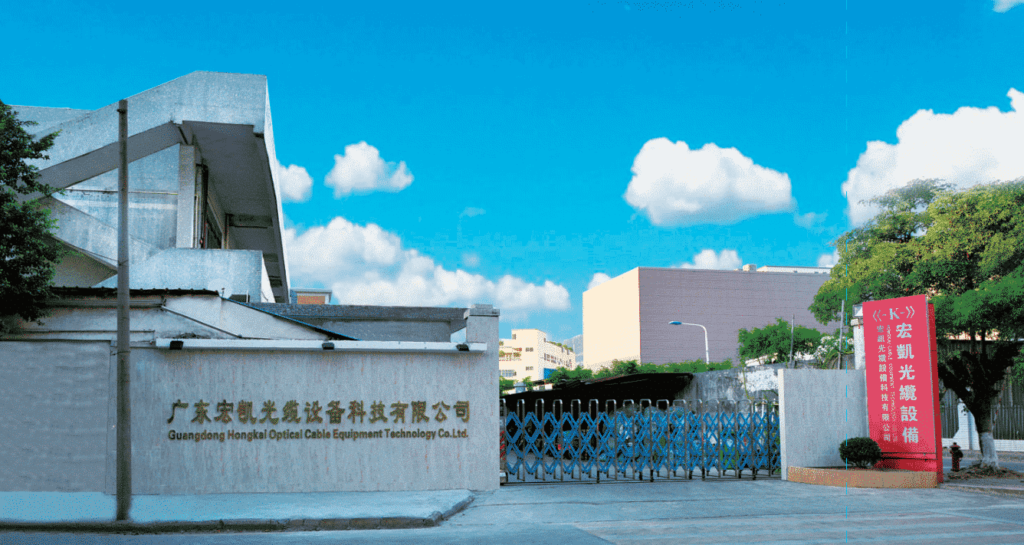
Guangdong Hongkai Optical Cable Equipment Technology Co., Ltd. began manufacturing wire and cable equipment in 2005 and was formally incorporated in 2015. Our main products include SZ stranding and cabling lines, fiber optic cable sheathing extrusion lines, and FTTH drop cable production lines.
Hongkai provides full plant planning services – from factory layout design and equipment selection, to installation, commissioning, and operator training. Our equipment has been exported to more than 15 countries and regions, with over 160 sets currently running on production lines worldwide. Every machine comes with a factory test report, a PLC program backup on USB, bilingual operation manuals (Chinese/English), and a wear-parts kit.
If you’re planning to build or expand a cable production line and aren’t sure where to start, feel free to contact the Hongkai technical team. First, tell us what products you want to make and your approximate capacity target – then we’ll help you work out a solution.