Over the years in the cable equipment business, I’ve dealt with hundreds of customers. When it comes to equipment selection, successful deals each have their own reasons – but failed deals or post-purchase regrets often come down to a few common issues.
Here’s a list of the most frequent problems – consider it a word of caution for anyone preparing to buy equipment.
1. Saying “I Make Cables” – Without Specifying What Kind
This is the most common issue. A customer calls for a consultation, and when asked what they produce, they say “cables.” Asked what type of cable, they reply “just regular cables.”
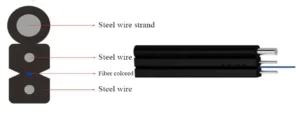
The phrase “regular cables” means entirely different things to different people. Some mean loose-tube outdoor cables, others mean FTTH drop cables, and others mean indoor tight-buffered cables.
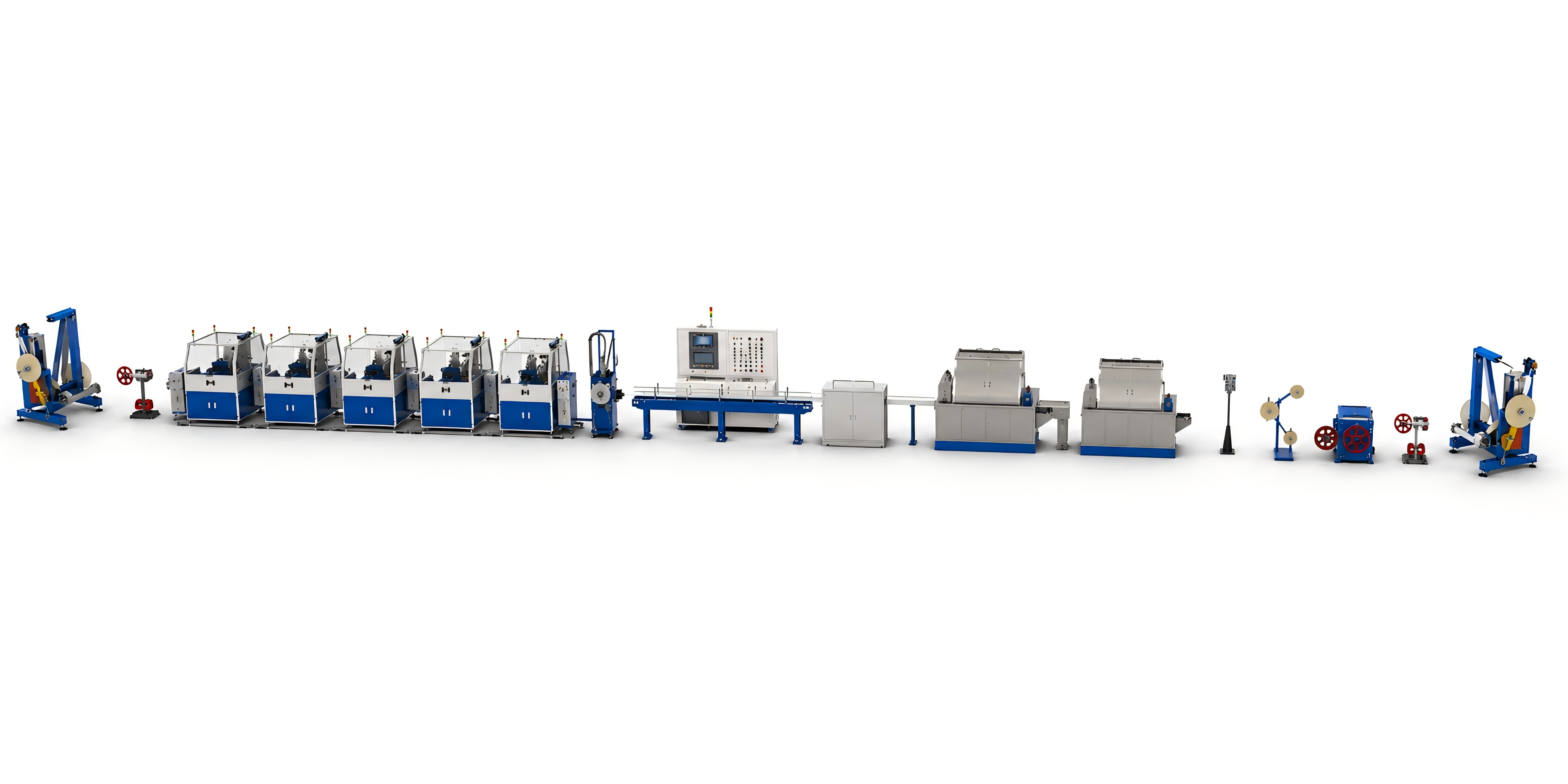
An SZ stranding and cabling line is suitable for loose-tube cables, but it cannot produce FTTH drop cables. FTTH drop cables require a dedicated butterfly drop cable production line – not a stranding machine. If you take orders for FTTH cables and try to run them on a stranding machine, it simply won’t work.
Once you buy the wrong equipment, it either sits idle or costs you even more to retrofit.
One equipment manufacturer once wrote: “Cable machinery purchases fail when manufacturers provide vague requirements instead of detailed specifications.”
Selection advice: Before buying equipment, write down your product specifications clearly – indoor or outdoor, loose-tube or butterfly, fiber count, sheath material. If you can’t even articulate what you need, the supplier can’t recommend the right equipment for you.
2. Looking Only at Price, Not Configuration
An SZ stranding and cabling line – cheap ones start around 500,000 RMB, expensive ones over 800,000 RMB. That’s a 300,000 RMB difference, and many people think “it’s basically the same thing – why pay more?”
But look inside and you’ll see the difference.
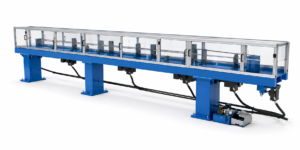
The cheap one uses ordinary steel for differential gears – hardness HRC 20–30 – wear begins in two to three years. The expensive one uses high‑frequency hardened gears – HRC 50–55 – a set lasts eight to nine years. The cheap one uses off‑brand bearings that bind over time. The expensive one uses SKF or NSK – one set lasts eight to nine years. The cheap one uses generic electrical components – hard to find replacements locally when they fail. The expensive one uses Siemens, Mitsubishi, Schneider – globally warranted.
They’re both called “stranding machines” – but what’s inside is completely different.
Reputable first‑tier suppliers, when optimizing proposals, will proactively offer better cost‑effective options to help customers avoid sacrificing quality in a price war.
Selection advice: Don’t just look at the total price – look at the configuration list. What material are the differential gears? What brand are the bearings? What brand are the electrical components? These details determine how many years the equipment will last.
3. Not Asking About Spare Parts – Then Stuck When Something Breaks
Equipment running 24/7 will eventually have issues. The worst scenario isn’t equipment failure – it’s failure without spare parts to replace the faulty component.
A sensor fails, a bearing wears out – if you can’t find replacements locally, you wait for the supplier to ship from China. DHL takes three to five days; sea freight takes twenty to twenty‑five days. A week of downtime costs far more than the price of a spare part.
Selection advice: Before signing the contract, ask: what wear parts are included with the equipment? Is there a spare parts list? Can spares be shipped quickly?
4. Focusing Only on Equipment, Ignoring Installation and Commissioning
An SZ stranding and cabling line weighs dozens of tons and contains hundreds of components. After delivery, these components need to be assembled, wired, routed, parameterized, and trial‑run – every step requires skilled personnel.
For domestic customers, the supplier typically sends engineers, and the job takes about two weeks. Overseas customers face bigger challenges – in the Middle East, Africa, Southeast Asia, there aren’t many people familiar with cable equipment installation and commissioning. If the supplier only provides equipment and doesn’t send personnel, the customer may spend two to three months figuring it out on their own.
During this period, labor costs, downtime losses, and trial production scrap can add up to more than the equipment itself.
Selection advice: Ask clearly – does the supplier provide on‑site installation and commissioning services? How long do engineers stay on‑site? What are the costs?
5. Not Checking Supplier Reliability
Equipment procurement is not just buying a machine – it’s also buying the supplier’s technical capability and after‑sales service.
The supplier’s technical expertise, delivery track record, and service responsiveness directly determine your production experience after purchase.
Some suppliers ship equipment without even a factory test report – customers have no idea what the actual precision is. Some suppliers disappear after the sale – when equipment breaks down, calls go unanswered.
Suppliers should be able to provide international certifications like ISO 9001 and CE, complete factory acceptance testing (FAT) before shipment, and demonstrate actual workshop production conditions via video.
Selection advice: Before signing the contract, request the factory test report, overseas delivery case studies, and certification documents. Suppliers that can provide detailed documentation at least demonstrate that they have proper procedures.
One Table to Understand: What to Prepare Before Selecting Equipment
Many equipment selection problems stem from the buyer not being properly prepared.
| Item to Prepare | Specific Details |
|---|---|
| Product specifications | Cable type, fiber count, sheath material |
| Capacity requirements | Target daily or monthly production |
| Launch timeline | Planned production start date |
| Budget range | Approximate budget |
| Service needs | Full plant planning? On‑site installation? |
The more detailed your product specifications, the more accurate the supplier’s equipment recommendation will be.
About Hongkai
Guangdong Hongkai Optical Cable Equipment Technology Co., Ltd. began manufacturing wire and cable equipment in 2005 and was formally incorporated in 2015. Our main products include SZ stranding and cabling lines, fiber optic cable sheathing extrusion lines, and FTTH drop cable production lines.
If you’re preparing to purchase cable equipment – uncertain about what you actually need, or unsure about supplier quotations – feel free to contact the Hongkai technical team. First, tell us what products you want to make, then we’ll recommend the equipment. Check the configuration first, then talk about price.