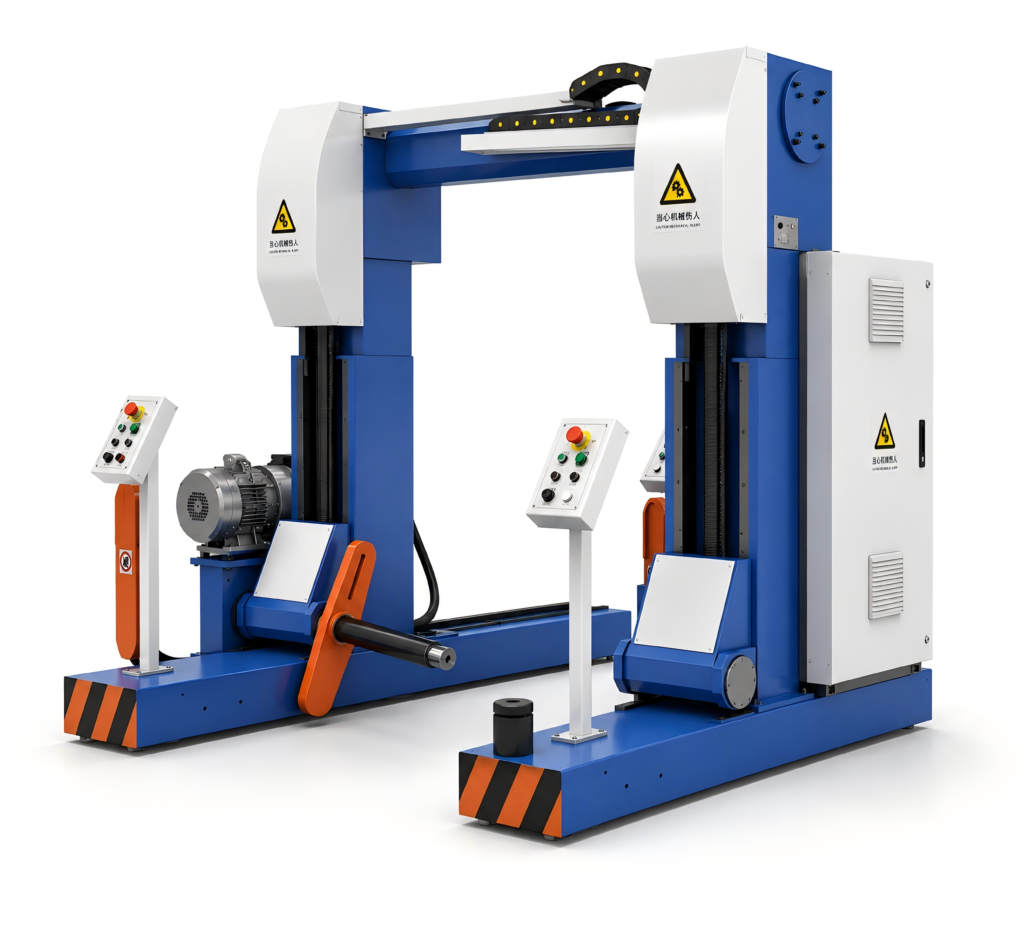
fiber optic cable making machine

The “Modular Design” of Fiber Optic Cable Equipment: Why Can Some Machines Be Upgraded While Others Can Only Be Replaced?

Over the years of exporting cable equipment, I’ve often been asked by customers: “I’m making 12-fiber cable now, but in a couple of years I want to make 24-fiber or higher – can the equipment be upgraded?”

This question seems simple, but behind it lies a core design philosophy in equipment manufacturing – modular design.

If an SZ stranding line wasn’t designed with expansion capability in mind, and the customer wants to upgrade from 12 tubes to 24 tubes, the entire machine might have to be scrapped. But with a modular-designed machine, you only need to add a pay-off stand module and upgrade the control system to achieve capacity expansion.

Today let’s talk about modular design in cable equipment, and why it directly affects the customer’s long-term return on investment.
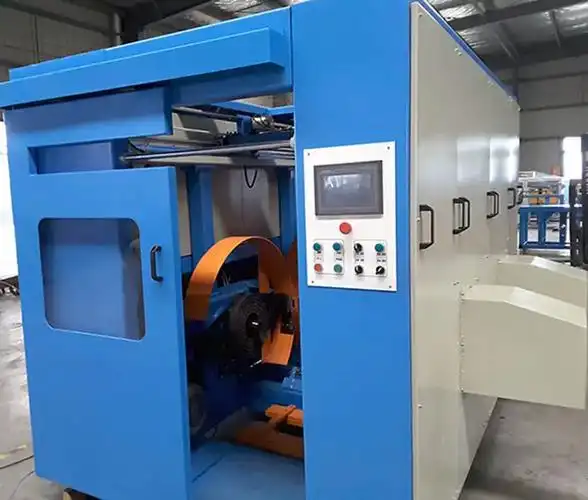
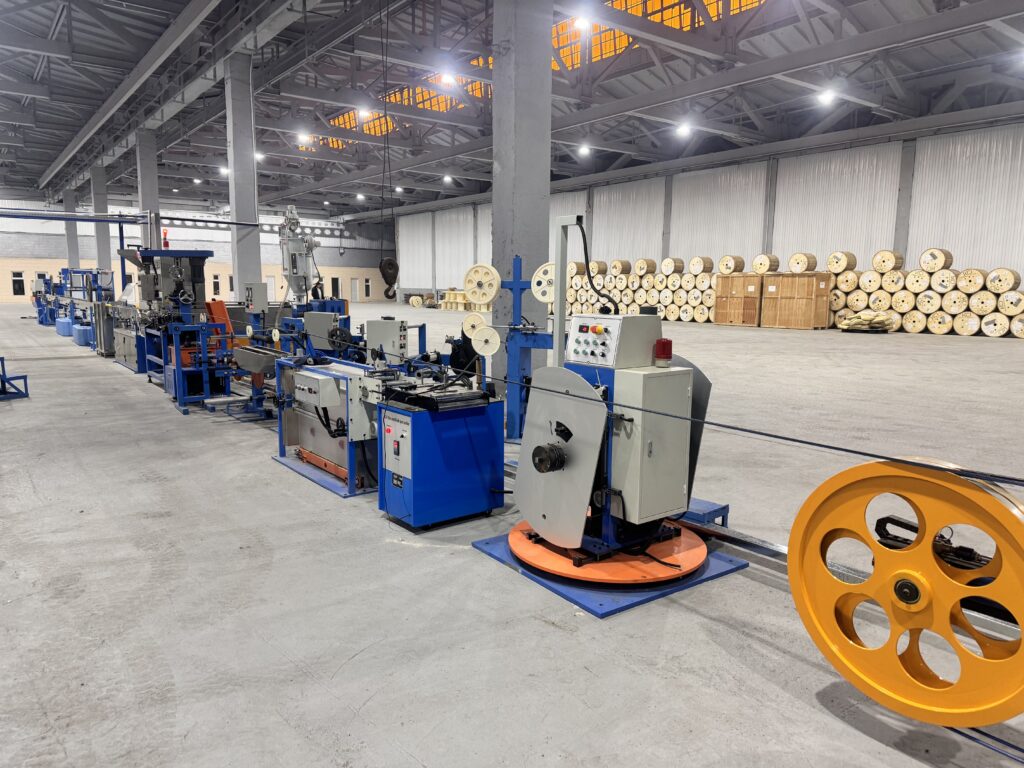
The “Modular Design” of Fiber Optic Cable Equipment: Why Can Some Machines Be Upgraded While Others Can Only Be Replaced? Read More »

How to Judge Whether Cable Equipment Quotations Are Reasonable? Breaking Down Price Composition Across Five Dimensions

Over the years of exporting cable equipment, I’ve often seen two reactions from overseas customers after receiving a quotation: one is “Why is it so expensive?” and the other is “Why is it so cheap?”

If the quote is high, the customer feels ripped off; if it’s low, the customer worries about quality. In reality, cable equipment price differences have logic behind them. Today let’s break down the price composition of a fiber optic cable production line to help overseas buyers judge whether a quotation is reasonable.

How to Judge Whether Cable Equipment Quotations Are Reasonable? Breaking Down Price Composition Across Five Dimensions Read More »

Spare Parts Management Guide for Cable Factories: Which Parts Must Always Be in Stock? How to Avoid “One Part Stops a Whole Line”?

This year, global fiber optic cable production capacity is accelerating its outward dispersion. News of newly built cable factories in the Middle East, Southeast Asia, Africa, Eastern Europe, and elsewhere keeps coming. Every new factory means procurement demand for a fiber optic cable production line.

But after equipment goes into production, factories face a common practical problem: spare parts management.

A sensor fails, a bearing wears out – if you can’t find a replacement of the same specification locally, you have to wait for the supplier to ship from China. DHL takes 3 to 5 days; sea freight takes 20 to 25 days. A week of downtime costs tens of thousands in lost output. A part costing a few dozen dollars can bring a line producing tens of thousands of meters per day to a standstill for days.

This article outlines the spare parts that most need to be kept on hand for an optical fiber cable production line, and how overseas factories can build an efficient spare parts management system.

Spare Parts Management Guide for Cable Factories: Which Parts Must Always Be in Stock? How to Avoid “One Part Stops a Whole Line”? Read More »

Opening Hours

Monday – Saturday 8am – 11pm

Contact

滚动至顶部
Leave Your Message