Fiber Optic Cable Equipment Archive Management: From Factory Release to Scrapping – What Data Should Be Recorded for a Machine?
Over the years of exporting cable equipment, I’ve noticed an easily overlooked management issue: equipment archives.
Over the years of exporting cable equipment, I’ve noticed an easily overlooked management issue: equipment archives.
Over the years in cable equipment, I’ve noticed a common habit among many factories: if the equipment isn’t broken, ignore it; if it breaks, figure something out.
But equipment doesn’t fail “suddenly.” Precision degrades, energy consumption rises, spare parts become harder to source, and safety guards age – these problems are not obvious day to day, but when they erupt all at once, the result is unplanned downtime and breached orders.
An annual equipment audit is far more cost-effective than firefighting after something goes wrong.
Today, using a fiber optic cable production line as an example, let’s go through the five dimensions of an annual equipment audit to help overseas factories decide whether existing equipment should be repaired, retrofitted, or replaced. As a Premier Cable Machine Manufacturer, Hongkai has accumulated substantial on-site experience in equipment audits and upgrade plans.
Before equipment develops major problems, there are actually small warning signs.
The tension curve on an SZ stranding line starts fluctuating slightly. The sheath surface on a fiber optic cable sheathing line occasionally looks a bit dull. The UV lamp brightness on a fiber coloring machine isn’t what it used to be – these are all the equipment “talking.” But when operators get busy, they often don’t have time to look. By the time the equipment alarms and stops, it’s already too late.
Today, let’s share a 15-minute daily inspection route. Walk through it process by process, and eliminate faults while they’re still in the bud. As a Premier Cable Machine Manufacturer, Hongkai trains customer operators to master this inspection method during equipment delivery.
A 15-Minute Daily Inspection at Cable Factories Can Prevent 80% of Unplanned Downtime Read More »
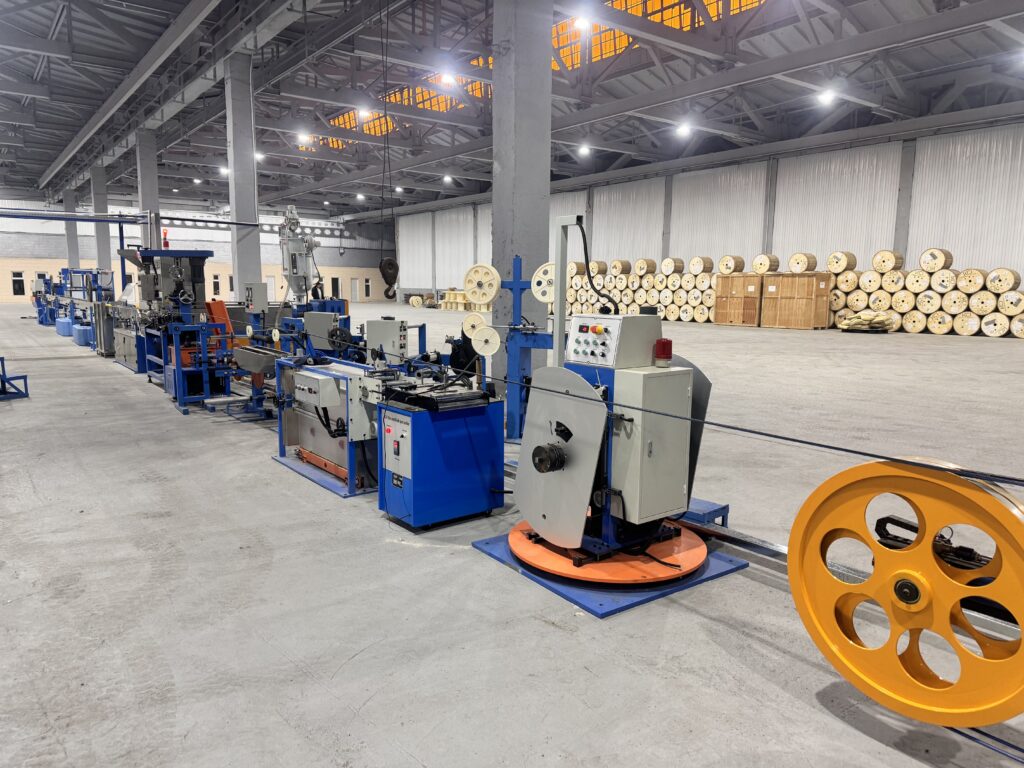
Last month I went to Indonesia to visit an old customer who had bought our FTTH optical cable manufacturing machine two years ago. His surname is Chen. He makes butterfly drop cables locally – the factory isn’t big, but business is steady.
Southeast Asia Business Trip Diary: Changeover from 4 Hours to 1.5 Hours Read More »
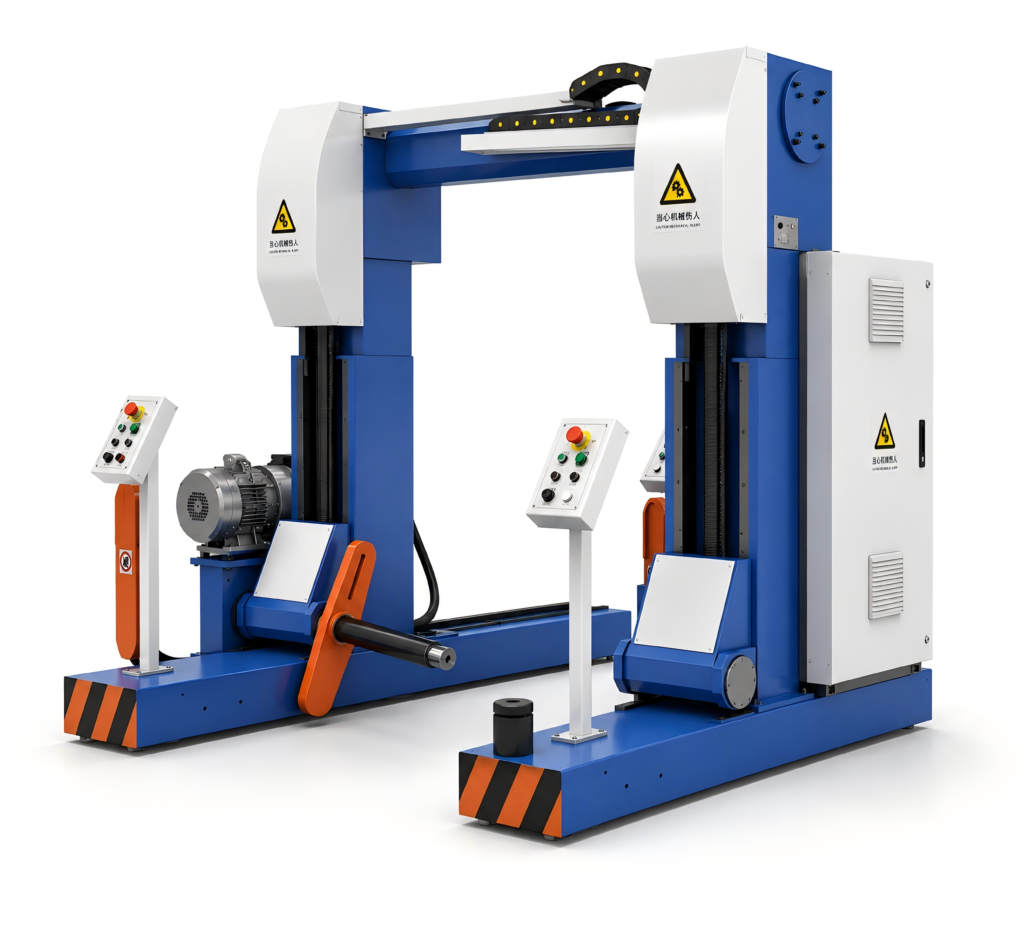
Over the years of exporting cable equipment, I’ve often been asked by customers: “I’m making 12-fiber cable now, but in a couple of years I want to make 24-fiber or higher – can the equipment be upgraded?”
This question seems simple, but behind it lies a core design philosophy in equipment manufacturing – modular design.
If an SZ stranding line wasn’t designed with expansion capability in mind, and the customer wants to upgrade from 12 tubes to 24 tubes, the entire machine might have to be scrapped. But with a modular-designed machine, you only need to add a pay-off stand module and upgrade the control system to achieve capacity expansion.
Today let’s talk about modular design in cable equipment, and why it directly affects the customer’s long-term return on investment.
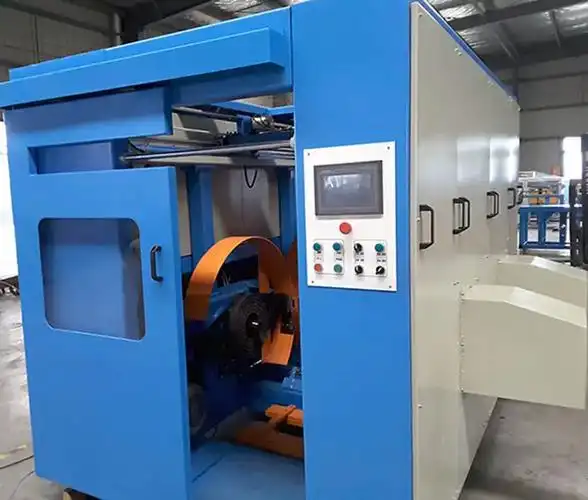
Over the years of exporting cable equipment, I’ve often seen two reactions from overseas customers after receiving a quotation: one is “Why is it so expensive?” and the other is “Why is it so cheap?”
If the quote is high, the customer feels ripped off; if it’s low, the customer worries about quality. In reality, cable equipment price differences have logic behind them. Today let’s break down the price composition of a fiber optic cable production line to help overseas buyers judge whether a quotation is reasonable.
This year, global fiber optic cable production capacity is accelerating its outward dispersion. News of newly built cable factories in the Middle East, Southeast Asia, Africa, Eastern Europe, and elsewhere keeps coming. Every new factory means procurement demand for a fiber optic cable production line.
But after equipment goes into production, factories face a common practical problem: spare parts management.
A sensor fails, a bearing wears out – if you can’t find a replacement of the same specification locally, you have to wait for the supplier to ship from China. DHL takes 3 to 5 days; sea freight takes 20 to 25 days. A week of downtime costs tens of thousands in lost output. A part costing a few dozen dollars can bring a line producing tens of thousands of meters per day to a standstill for days.
This article outlines the spare parts that most need to be kept on hand for an optical fiber cable production line, and how overseas factories can build an efficient spare parts management system.
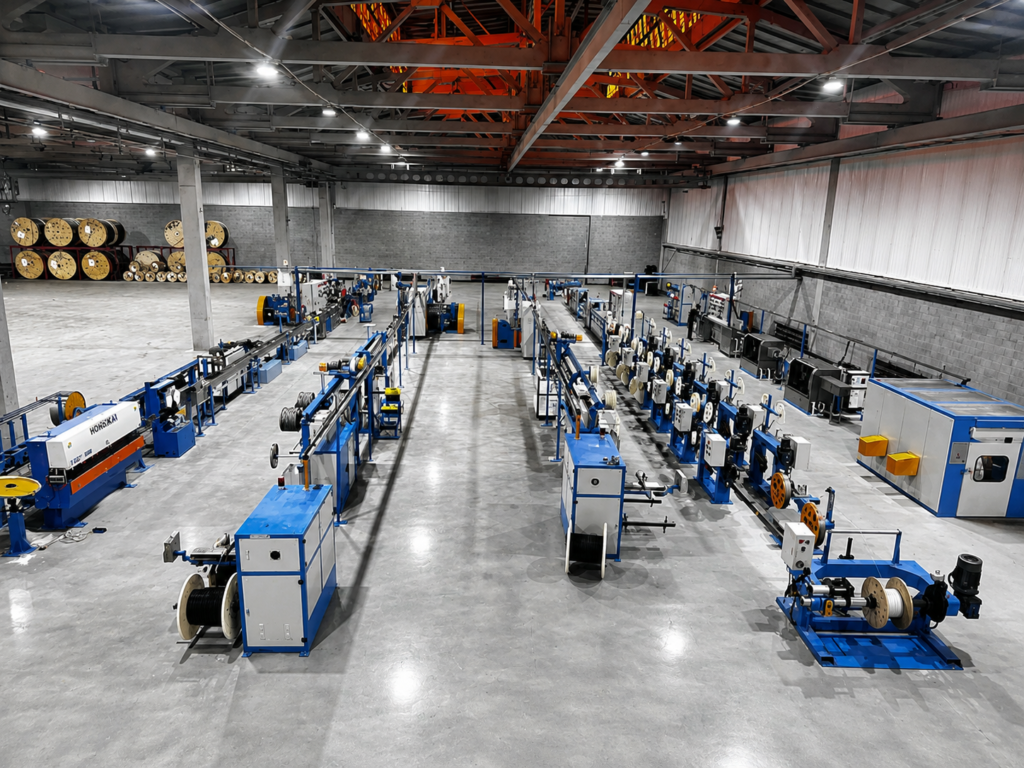
Many cable factories achieve only about 95% yield in the early stages of production. After equipment optimization and process control, this can be raised to over 99%. From 95% to 99% – it looks like just a 4 percentage point difference, but for a line producing 3,000 km per year, that’s a difference of 120 km of qualified cable annually. At current cable prices, that’s no small amount.
This article outlines five key control points on a fiber optic cable production line to help overseas cable manufacturers “raise” their yield.
Five Key Control Points to Improve Fiber Optic Cable Equipment Production Yield Read More »
Last month I went to Vietnam to visit an old customer. “Old customer” – though we’d only known each other for just over two years, we’d collaborated on several projects and had become friends.
His surname is Nguyen. He runs a cable factory in southern Vietnam. Two years ago he bought an SZ stranding line from me, and later a fiber optic cable sheathing line and an FTTH optical cable manufacturing machine. This trip was to see how the equipment was running and talk about capacity expansion.
When I arrived at his factory, Mr. Nguyen first took me on a tour of the workshop. The equipment was all running, and the workshop was quite quiet – this fiber optic cable production line had been running for nearly two years. The workers operated it skillfully, changing specifications with just a few taps on the touchscreen.
“Your equipment has one advantage,” Mr. Nguyen said as we walked. “Those young guys of mine can get the hang of it after three days of training. With other equipment we used before, changing a specification took half a day of fiddling. Now, just tap the recipe and it’s done.”
I said that sounded great. He smiled and said there was something he wanted to talk about.
A Fiber Optic Cable Equipment Sales Manager’s Overseas Business Trip Diary Read More »