Why Does the Lowest-Priced Fiber Optic Cable Production Line End Up Costing the Most Over Five Years?
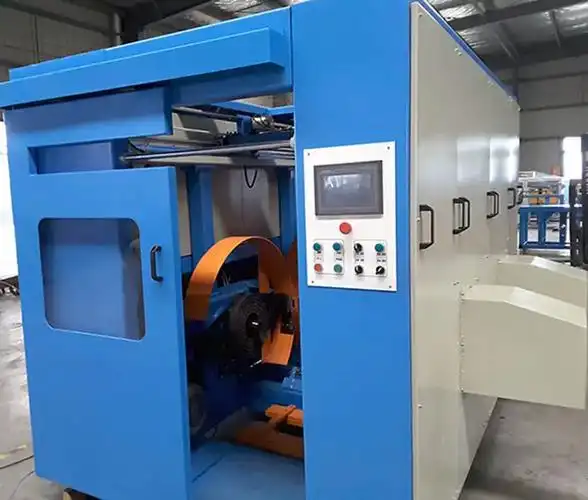
When purchasing a fiber optic cable production line, buyers often focus on the numbers on the quotation sheet – whose fiber optic cable making machine is cheaper, whose SZ stranding line comes in at a lower price.
But equipment is bought to be used for five, eight years. The number on the quotation sheet is only one part of the total cost.
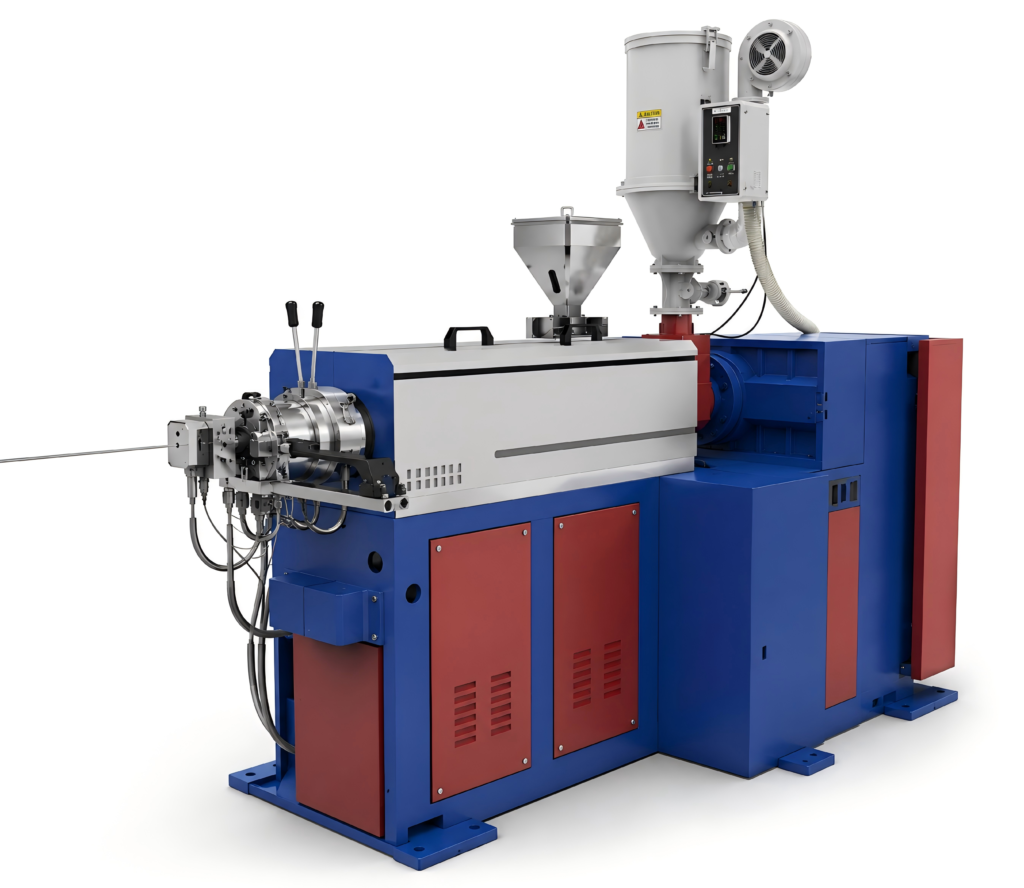
Industry analysis indicates that in cable production line operations, auxiliary equipment (take-up, pay-off stands, etc.) accounts for only 5% to 10% of total maintenance expenditure, while core main machines such as extrusion lines can account for 45% to 65%. Extrusion lines run continuously at high temperatures of 180–220°C – thermal stress combined with material corrosion makes screw wear and heating element failure the most frequent problems.
This article uses a typical cable production line as an example to break down the five components of five-year Total Cost of Ownership (TCO), helping buyers see exactly where the “lowest-priced” equipment is actually “expensive.”