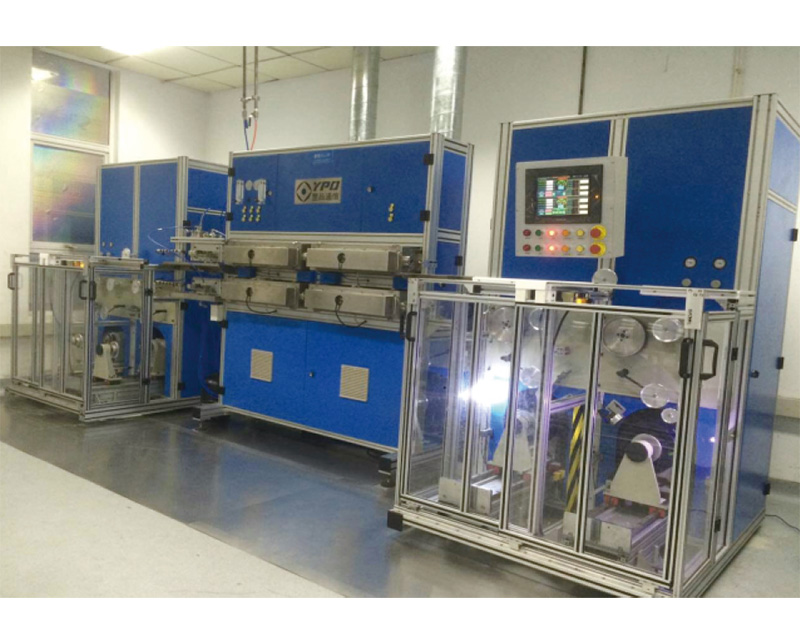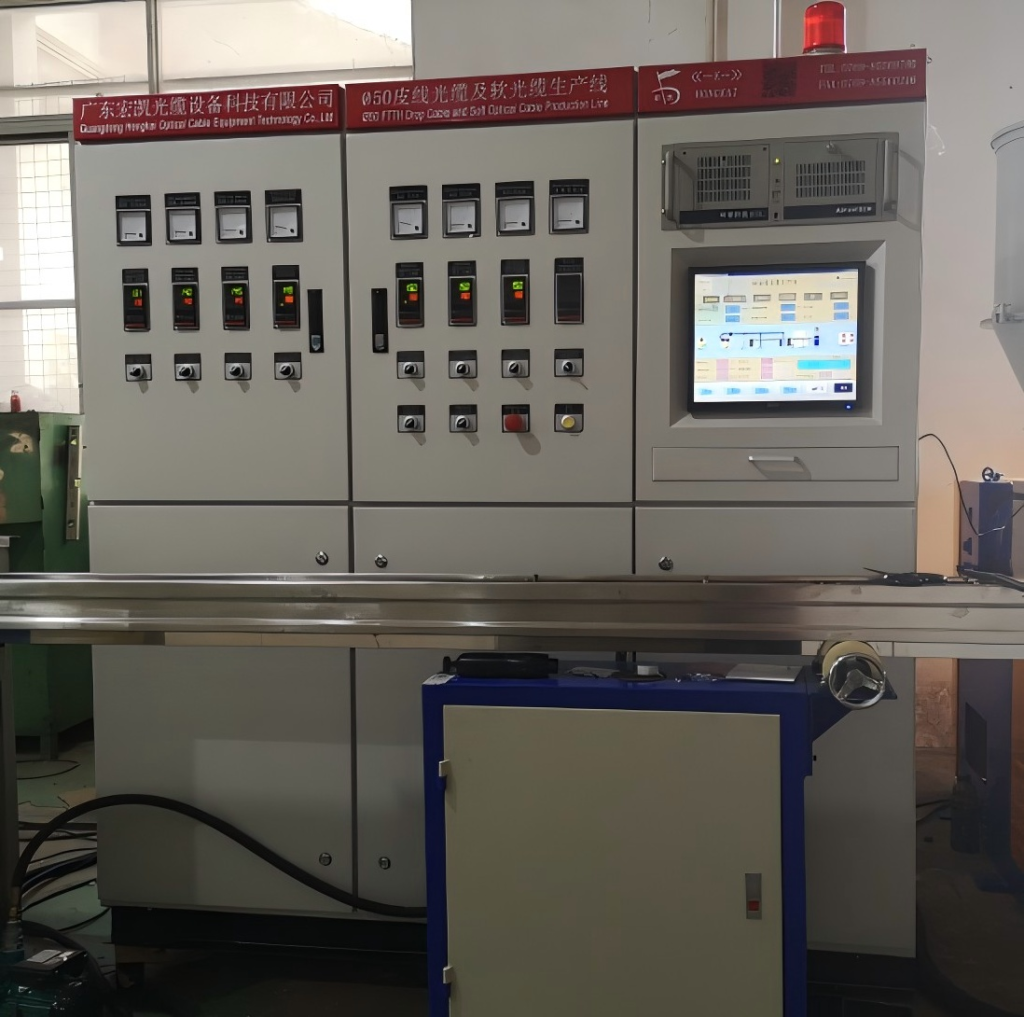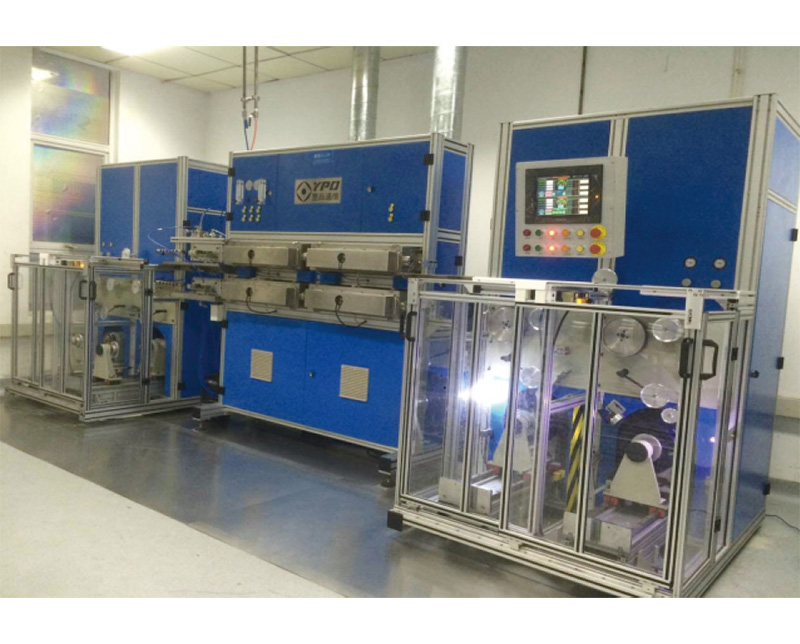
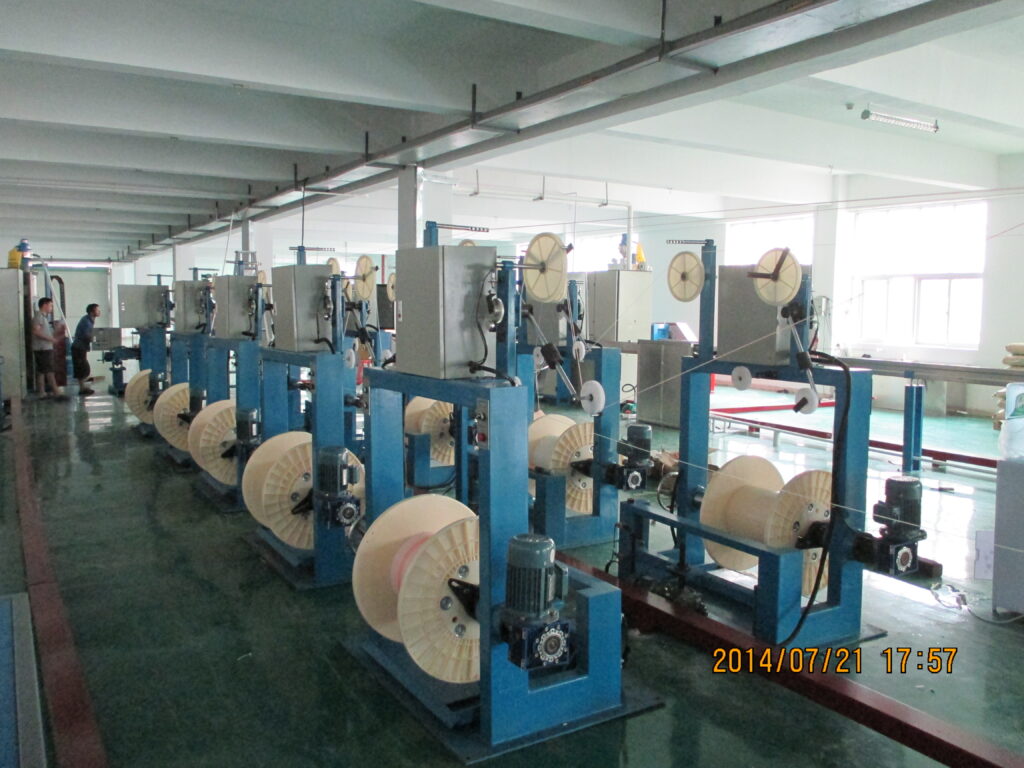
FTTH drop cable production line

Fiber Optic Cable Equipment Manufacturing 2026: How AI Data Centers Are Rewriting Technical Standards for Stranding and Sheathing Equipment

In its industry trends report released early this year, the UK-based Commodity Research Unit (CRU) pointed out that the optical fiber and cable markets are undergoing simultaneous transformations in multiple directions – AI-driven data center investment has rapidly emerged as the strongest growth engine, while traditional telecom demand has slowed in several markets. The supply landscape is also shifting, with Chinese fiber and cable manufacturers systematically expanding overseas.

While demand surges, supply lags significantly behind. CRU estimates a global supply-demand gap of approximately 16.4% for fiber optic cables in 2026. Against this backdrop, cable prices continue to rise, overseas orders are already booked through 2028, and cable manufacturers have a strong appetite for capacity expansion – directly driving procurement demand for optical cable manufacturing equipment.

Demand has changed. Products have changed. The equipment that makes cables must change too.
Fiber Optic Cable Equipment Manufacturing 2026: How AI Data Centers Are Rewriting Technical Standards for Stranding and Sheathing Equipment Read More »

The Explosive Demand for Fiber Optic Cable Equipment: How AI Data Centers Are Reshaping the Selection Logic for Stranding and Sheathing Equipment

In 2026, the global fiber optic cable industry is undergoing a profound transformation driven by AI. AI computing power demand is fundamentally rewriting the market landscape for optical cables. A single hyperscale AI data center requires several times more optical fiber than a traditional data center. In 2025, global data center fiber optic cable demand surged 75.9% year‑on‑year, reaching 69.6 million fiber‑km; in 2026, this figure is projected to reach 91.6 million fiber‑km. CRU forecasts that over the next five years, the compound annual growth rate for AI‑ and data‑center‑related cable demand will reach 32.6%.

Cable prices have soared in tandem – G.652.D bare fiber prices have risen to RMB 83.4 per fiber‑km, an increase of over 400% year‑on‑year. The popular G.657.A2 specialty fiber has skyrocketed from RMB 32 per fiber‑km in 2025 to RMB 240 per fiber‑km – a staggering 650% increase. General Administration of Customs data shows that in March 2026, China’s fiber optic cable exports reached USD 245 million, up 263.84% year‑on‑year. Many leading manufacturers have orders booked through 2027 and 2028.

The demand structure has changed, the products have changed, and the logic behind selecting optical cable manufacturing equipment must change with them. This article starts with the new requirements AI data centers place on cable products and breaks down the new selection logic for stranding and sheathing equipment.

The Explosive Demand for Fiber Optic Cable Equipment: How AI Data Centers Are Reshaping the Selection Logic for Stranding and Sheathing Equipment Read More »

Behind the Surge in Fiber Optic Equipment Orders in 2026: A Manufacturer’s Real Perspective

If you had asked me in 2025 whether fiber optic cable equipment was selling well, I might have sighed.

But now it’s 2026, and the situation has completely changed.

Since the beginning of the year, orders have been pouring in like a floodgate opened. G.652.D bare fiber has soared from less than RMB 20 per fiber‑km in early 2025 to RMB 83.4. G.657.A2 specialty fiber is even more dramatic – up from RMB 32 per fiber‑km to RMB 240, a 650% increase. With fiber prices this high, cable manufacturers are racing to expand capacity.

Customs data tells the story even more clearly – in March 2026, fiber optic cable exports reached USD 245 million, up 263.84% year‑on‑year. Many manufacturers already have orders booked through 2028. Overseas customers aren’t haggling over prices anymore – they’re asking, “Can you deliver faster?”

CRU forecasts a compound annual growth rate of about 6.6% for global fiber optic cable demand over the next five years, but the growth rate for AI‑ and data‑center‑related cable demand is as high as 32.6%. Cable demand is shifting from FTTH (Fiber‑to‑the‑Home) to FTTG (Fiber‑to‑the‑GPU). In plain terms, cables used to be for home broadband; now they’re for GPUs in data centers. And that changes everything about what cables need to be.

Behind the Surge in Fiber Optic Equipment Orders in 2026: A Manufacturer’s Real Perspective Read More »

How to Evaluate the Processing Technology of Fiber Optic Cable Equipment After Production?

When a fiber optic cable machine rolls off the production line, beyond price and delivery time, many business owners overlook a critical question: how capable is the equipment, really? The tooth surface accuracy of differential gears, the fit tolerance of dancer bearings, the nitriding depth of the extruder screw, the machining precision of the sheathing die – these are the invisible factors that determine whether your equipment will hold up over time and maintain consistent accuracy.

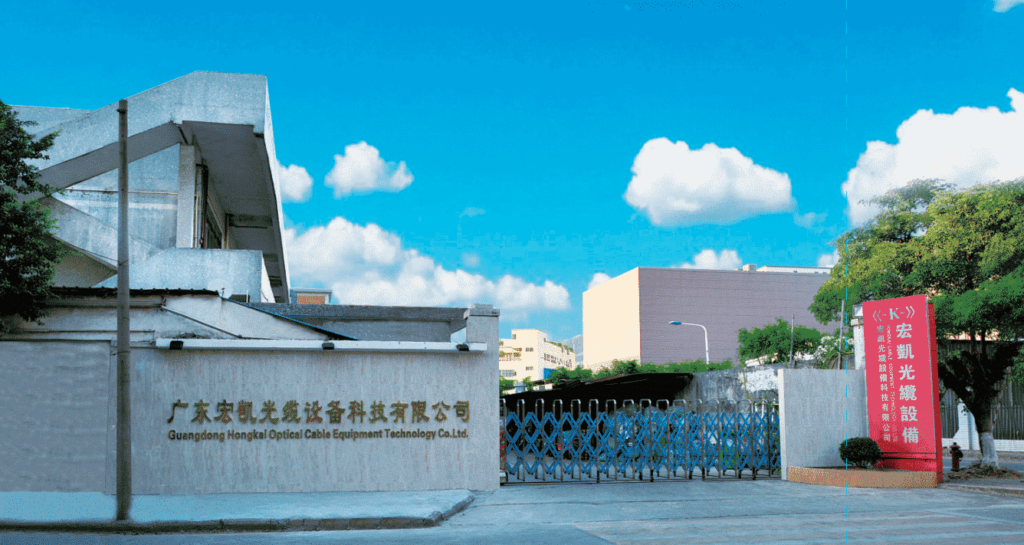
Today, drawing on Hongkai’s 21 years of experience in the fiber optic cable equipment industry, we will walk you through how to evaluate the processing technology of your cable equipment from the following perspectives.

How to Evaluate the Processing Technology of Fiber Optic Cable Equipment After Production? Read More »

The “Invisible” Costs on an Optical Cable Production Line – How Much Can One Machine Save?

Many plant owners have never done the math: the faster your line runs, the greater the waste may be. Those inconspicuous losses from scrap, downtime, and rework might not seem like much on a daily basis, but when fiber prices have quadrupled or quintupled, every meter of scrap is real money.

The “Invisible” Costs on an Optical Cable Production Line – How Much Can One Machine Save? Read More »

How to Choose an Optical Cable Sheathing Line? Five Key Points to Help You Avoid Pitfalls

The optical cable sheath is the “armor” of the optical cable—it protects the optical fibers inside from moisture, compression, and tension. The sheathing line is the final process in optical cable manufacturing and a critical step that determines whether the cable is usable.

Many cable plant owners carefully select their stranding machines but become casual when it comes to the sheathing line—thinking, “It’s just a plastic extruder, as long as it works.” In fact, the opposite is true. If the sheathing line is poorly chosen, even the best stranding work will be wasted.

Today, let’s talk about how to choose an optical cable sheathing line.

How to Choose an Optical Cable Sheathing Line? Five Key Points to Help You Avoid Pitfalls Read More »

Opening Hours

Monday – Saturday 8am – 11pm

Contact

滚动至顶部
Leave Your Message