Fiber Optic Cable Equipment Archive Management: From Factory Release to Scrapping – What Data Should Be Recorded for a Machine?
Over the years of exporting cable equipment, I’ve noticed an easily overlooked management issue: equipment archives.
Over the years of exporting cable equipment, I’ve noticed an easily overlooked management issue: equipment archives.
A while ago, a Turkish customer, Murat, sent me an urgent WhatsApp voice message.
“The pitch on my SZ stranding line keeps fluctuating – big, then small. The scrap rate has jumped from 1% to 5%. My customer is pushing for delivery. Can you come and take a look?”
Over the years in cable equipment, I’ve noticed a common habit among many factories: if the equipment isn’t broken, ignore it; if it breaks, figure something out.
But equipment doesn’t fail “suddenly.” Precision degrades, energy consumption rises, spare parts become harder to source, and safety guards age – these problems are not obvious day to day, but when they erupt all at once, the result is unplanned downtime and breached orders.
An annual equipment audit is far more cost-effective than firefighting after something goes wrong.
Today, using a fiber optic cable production line as an example, let’s go through the five dimensions of an annual equipment audit to help overseas factories decide whether existing equipment should be repaired, retrofitted, or replaced. As a Premier Cable Machine Manufacturer, Hongkai has accumulated substantial on-site experience in equipment audits and upgrade plans.
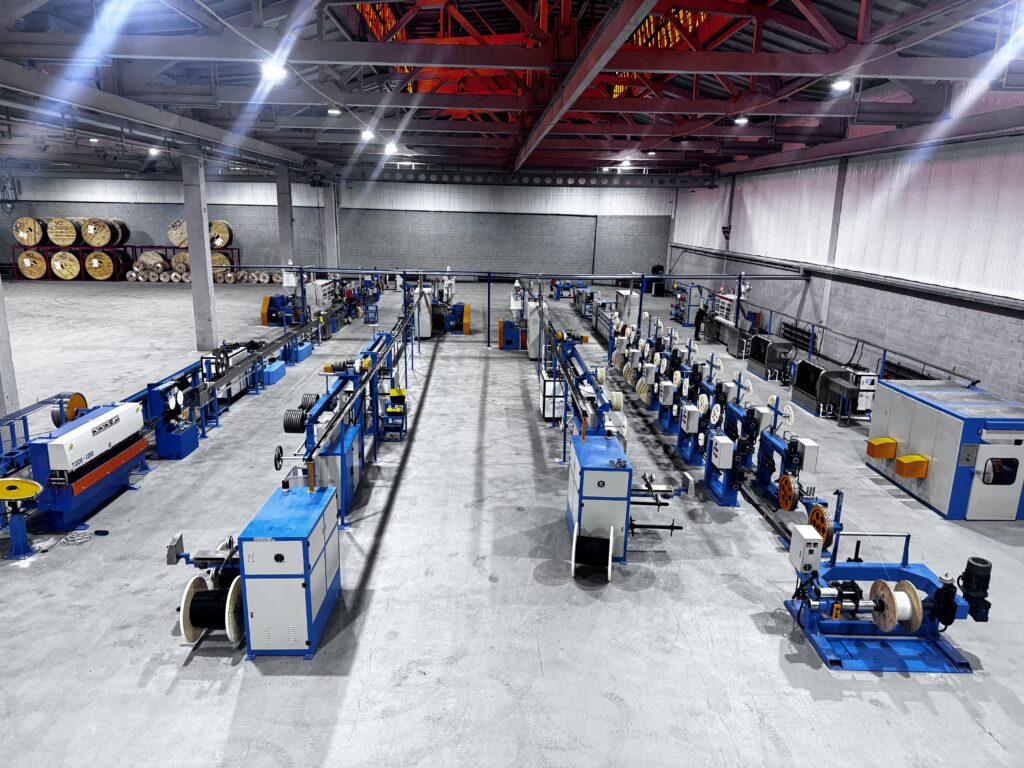
Anyone in the cable business knows that cable production isn’t something a single machine can handle. From fiber entering the factory to finished cable leaving, it goes through coloring, secondary coating, stranding, sheathing, and other processes. Each process requires dedicated equipment, and only when these machines are connected in series do they form a complete fiber optic cable production line.
As a Premier Cable Machine Manufacturer, Hongkai is often asked the same question by overseas customers: “I want to build a cable production line – what equipment do I actually need to buy?”
Today, let’s go through the equipment list for a complete optical fiber cable production line, helping overseas buyers clarify their procurement thinking.
Customers from the Middle East, Africa, and Southeast Asia often ask: “Our power grid is unstable – there are frequent outages, and voltage goes up and down. Can your equipment handle it?”
This is not a minor issue.
Cable production is a continuous operation. Once an SZ stranding line starts up, it runs 24/7. The extruder on a fiber optic cable sheathing line runs continuously at high temperature – a mid-process power outage can cause the screw to seize, material waste, and die blockage. A single unplanned outage can scrap an entire reel of cable core.
Even more troublesome is the voltage surge at the moment the grid recovers – it can directly burn out PLCs, inverters, and sensors.
Today let’s discuss stable operation solutions for a fiber optic cable production line in regions with unstable power grids, helping overseas buyers solve the “power” problem upfront.
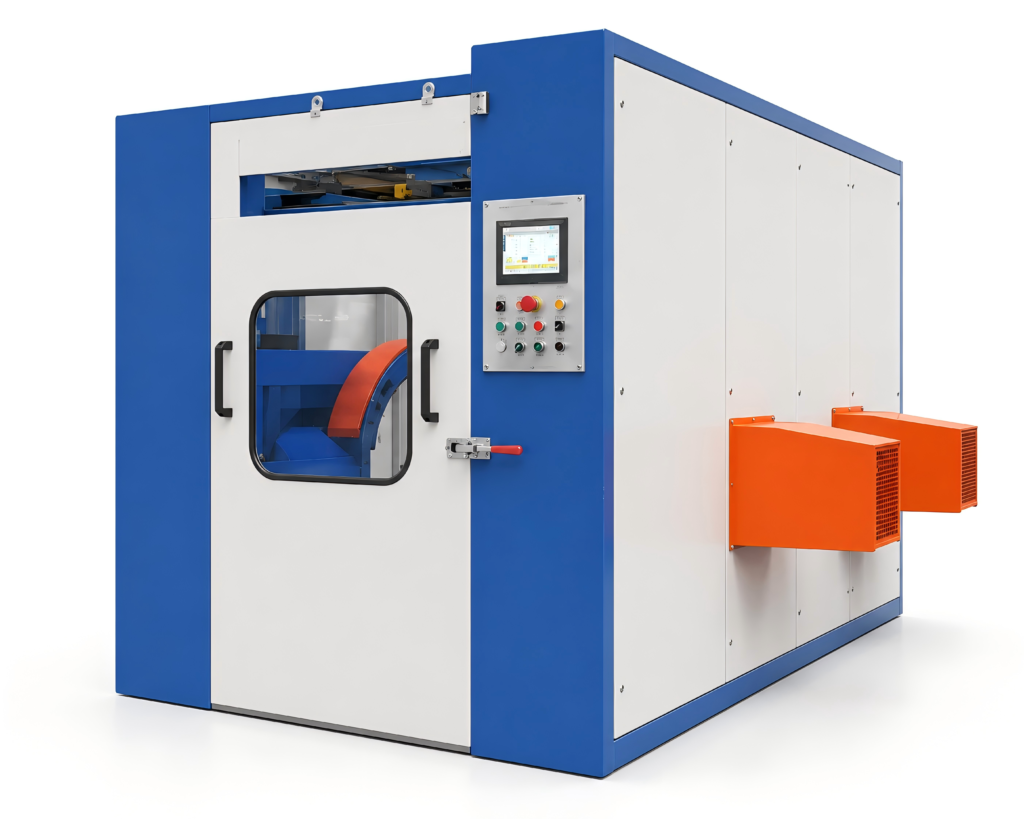
Customers often ask: “I’ve bought all the equipment – why doesn’t the production line run smoothly?”
Individually, every machine looks fine – the fiber coloring machine runs at 3,000 m/min, the SZ stranding line has tension fluctuation ≤ ±0.4 N, and the fiber optic cable sheathing line achieves 98.6% concentricity. Each one meets the standard. But when they’re connected and running together, something is off.
The problem lies in collaboration.
A complete fiber optic cable production line is not just several machines placed together. They need to “talk” to each other – speeds must match, tensions must connect, and data must be exchanged. Today let’s discuss how the machines on a cable production line work together, and what problems arise when collaboration fails.
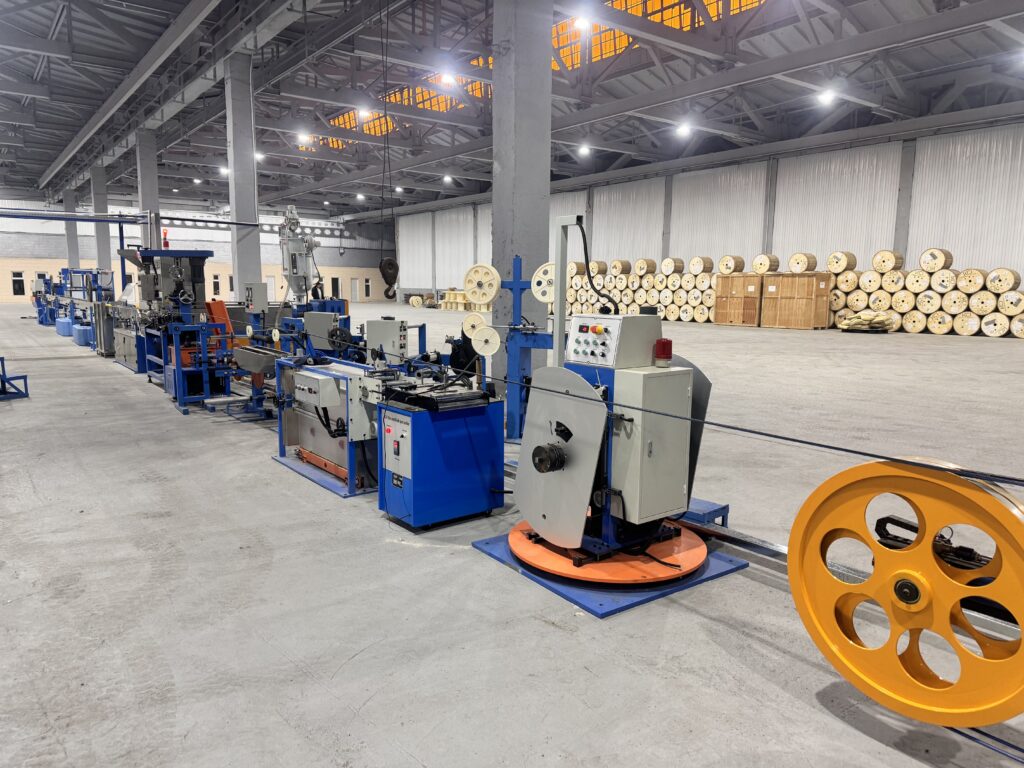
Last month I went to Indonesia to visit an old customer who had bought our FTTH optical cable manufacturing machine two years ago. His surname is Chen. He makes butterfly drop cables locally – the factory isn’t big, but business is steady.
Southeast Asia Business Trip Diary: Changeover from 4 Hours to 1.5 Hours Read More »
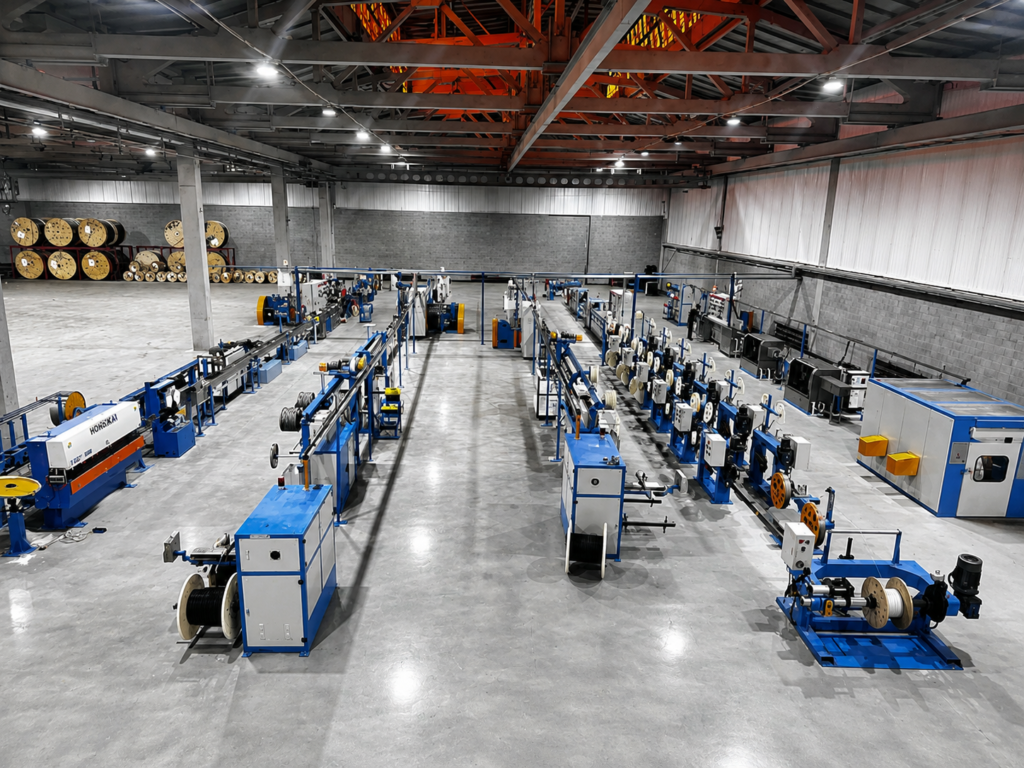
Over the years of exporting cable equipment, I’ve noticed a pattern: overseas customers scrutinize technical parameters in great detail – tension fluctuation, pitch deviation, concentricity – but when it comes time to sign the contract, they pay less attention to some key clauses.
If the contract isn’t well written, disputes multiply later. When the equipment arrives, you discover the voltage is wrong, spare parts weren’t included, training wasn’t arranged, and the warranty scope is unclear – every one of these is a headache.
Today, let’s go through seven clauses that overseas buyers should confirm one by one when signing a fiber optic cable production line contract, helping cable manufacturers keep risks out before signing.
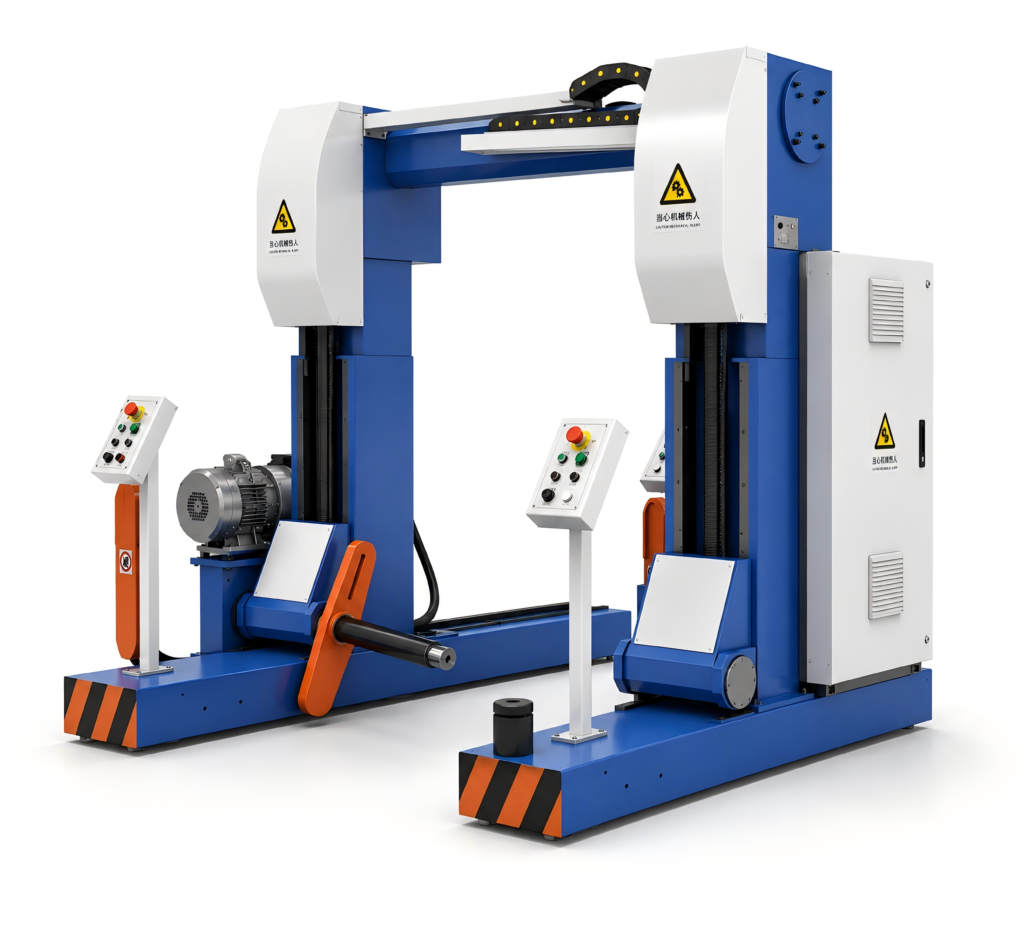
Over the years of exporting cable equipment, I’ve often been asked by customers: “I’m making 12-fiber cable now, but in a couple of years I want to make 24-fiber or higher – can the equipment be upgraded?”
This question seems simple, but behind it lies a core design philosophy in equipment manufacturing – modular design.
If an SZ stranding line wasn’t designed with expansion capability in mind, and the customer wants to upgrade from 12 tubes to 24 tubes, the entire machine might have to be scrapped. But with a modular-designed machine, you only need to add a pay-off stand module and upgrade the control system to achieve capacity expansion.
Today let’s talk about modular design in cable equipment, and why it directly affects the customer’s long-term return on investment.