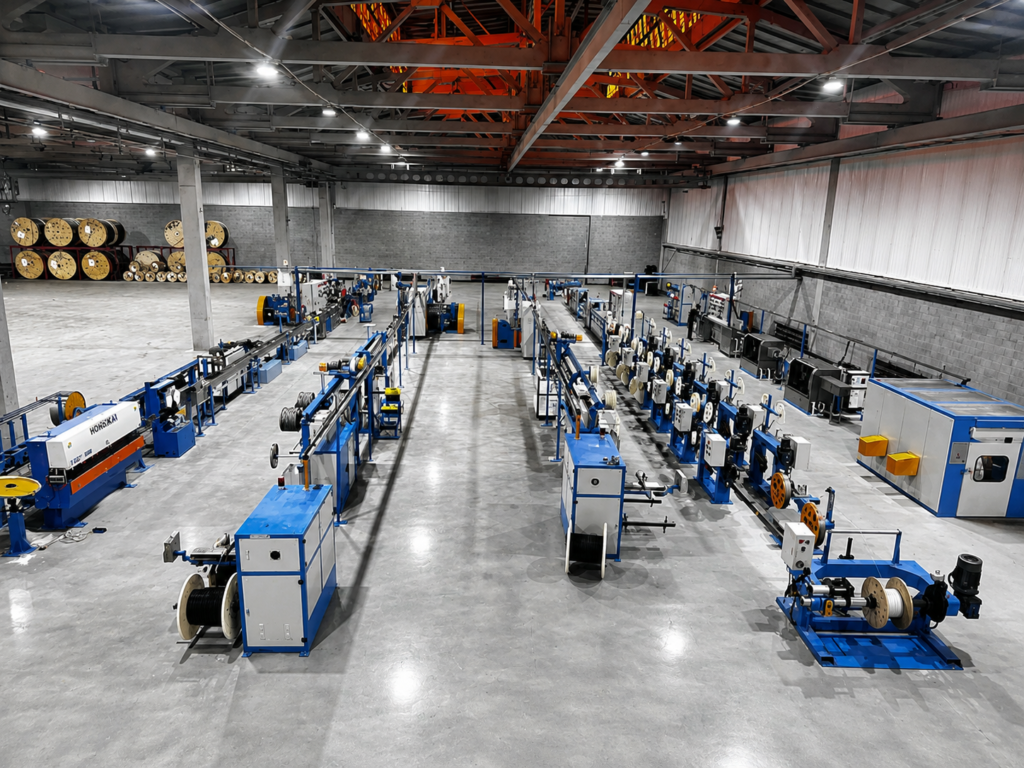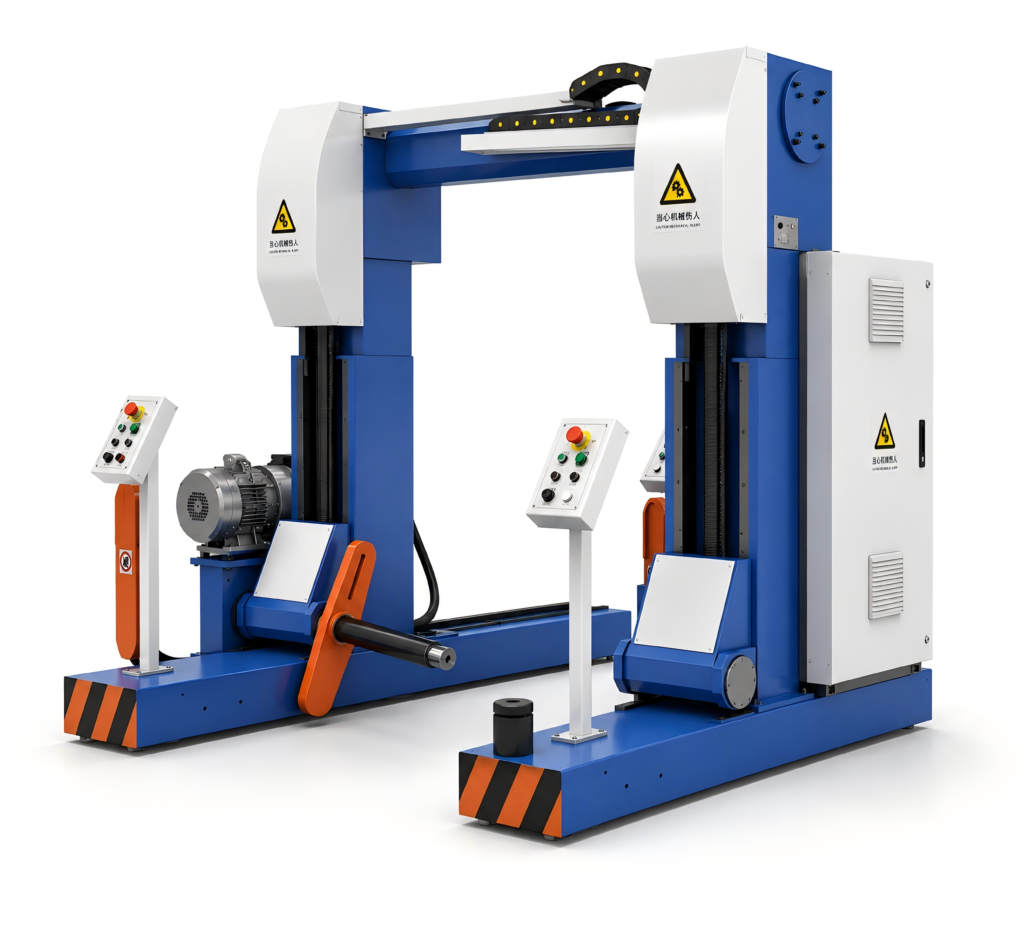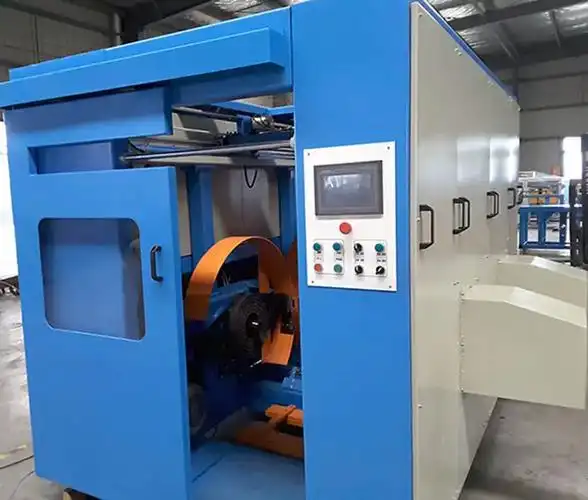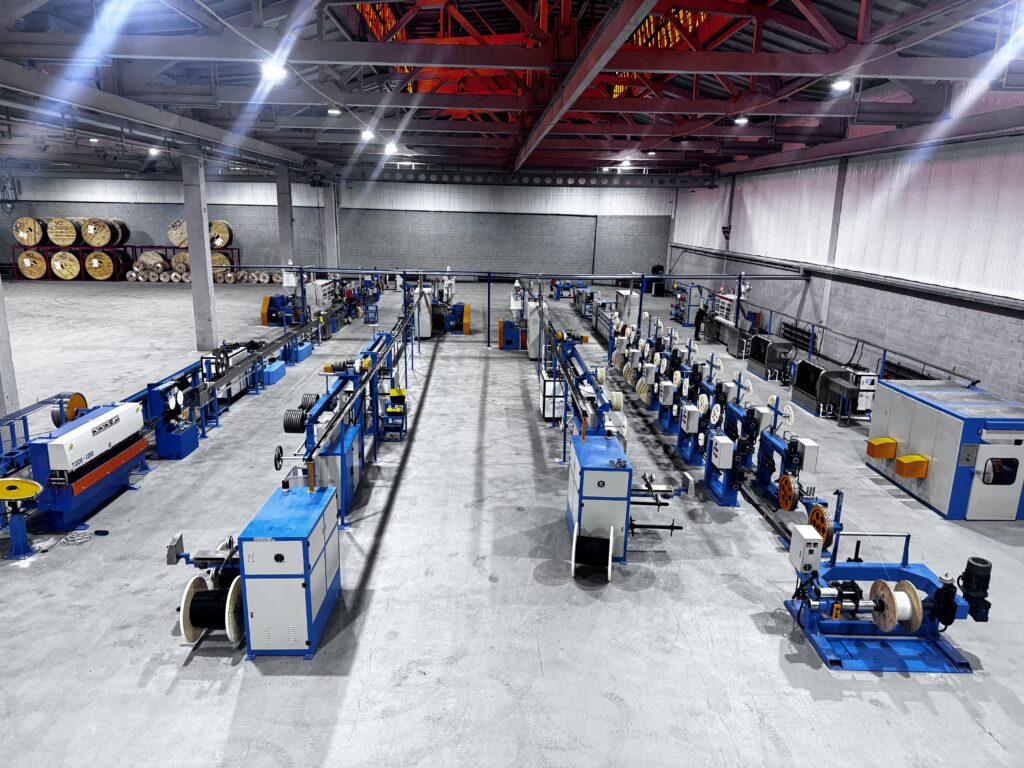
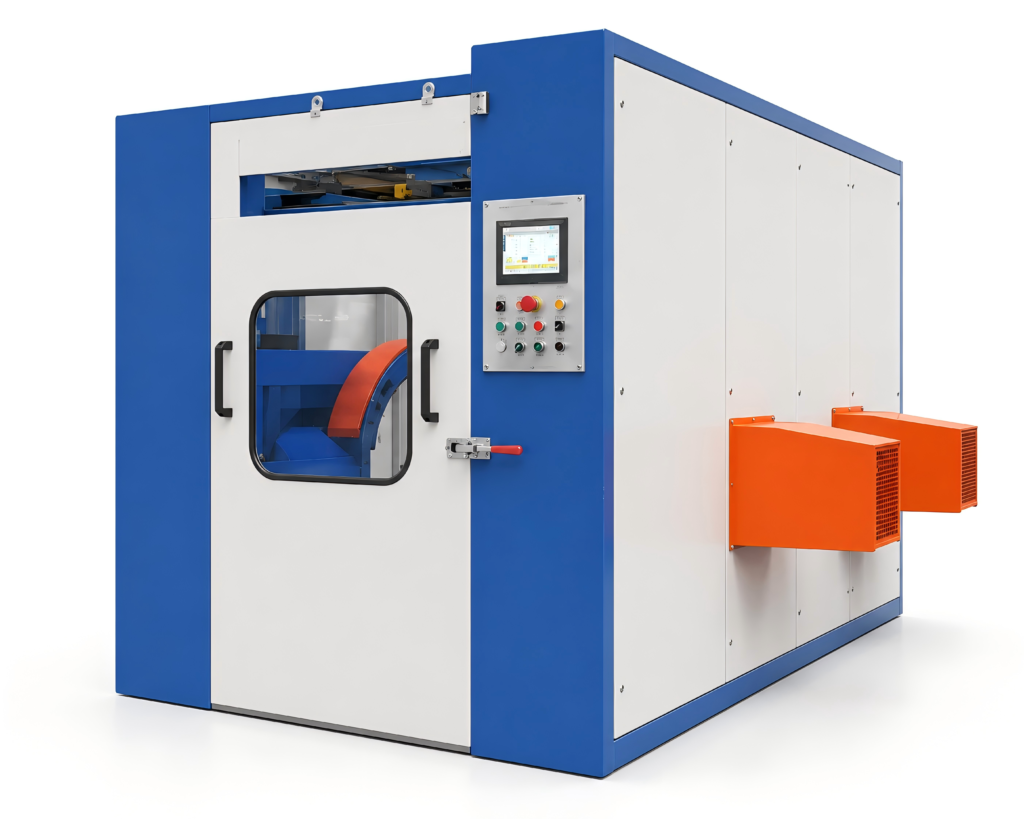
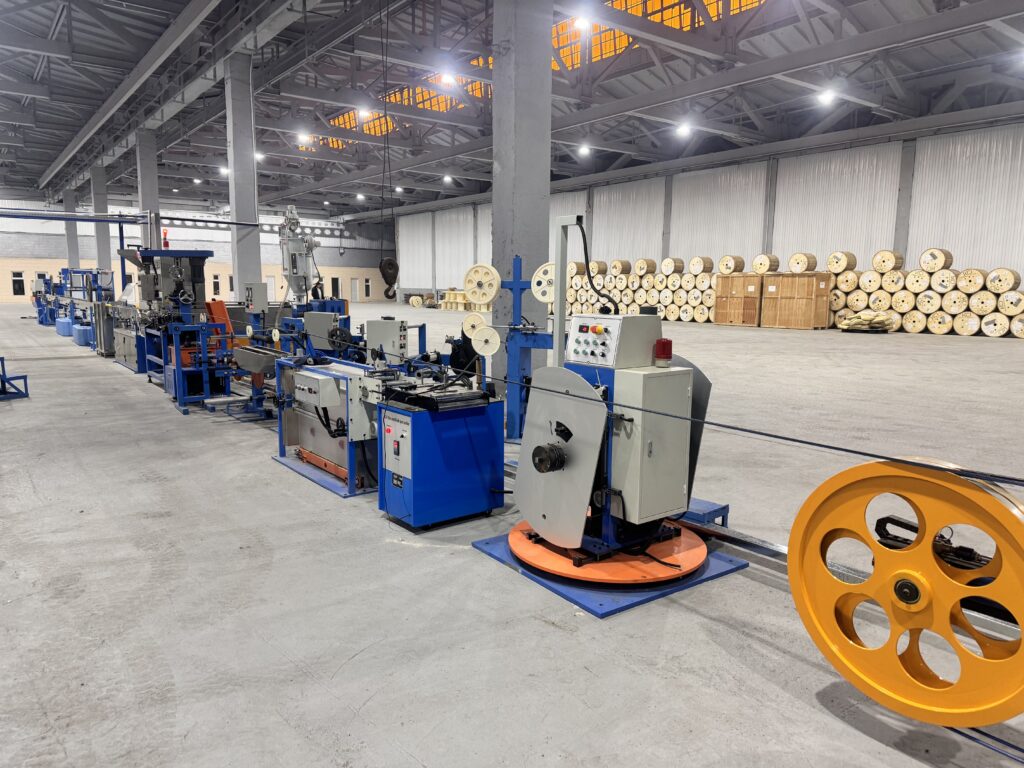
Secondary coating line for optical fiber

How Can Fiber Optic Cable Equipment Run Stably in Regions with Unstable Power Grids? Backup Power and Voltage Fluctuation Solutions

Customers from the Middle East, Africa, and Southeast Asia often ask: “Our power grid is unstable – there are frequent outages, and voltage goes up and down. Can your equipment handle it?”

This is not a minor issue.

Cable production is a continuous operation. Once an SZ stranding line starts up, it runs 24/7. The extruder on a fiber optic cable sheathing line runs continuously at high temperature – a mid-process power outage can cause the screw to seize, material waste, and die blockage. A single unplanned outage can scrap an entire reel of cable core.

Even more troublesome is the voltage surge at the moment the grid recovers – it can directly burn out PLCs, inverters, and sensors.

Today let’s discuss stable operation solutions for a fiber optic cable production line in regions with unstable power grids, helping overseas buyers solve the “power” problem upfront.
How Can Fiber Optic Cable Equipment Run Stably in Regions with Unstable Power Grids? Backup Power and Voltage Fluctuation Solutions Read More »

The Collaboration Logic from Coloring Machine to Sheathing Line on a Fiber Optic Cable Production Line

Customers often ask: “I’ve bought all the equipment – why doesn’t the production line run smoothly?”

Individually, every machine looks fine – the fiber coloring machine runs at 3,000 m/min, the SZ stranding line has tension fluctuation ≤ ±0.4 N, and the fiber optic cable sheathing line achieves 98.6% concentricity. Each one meets the standard. But when they’re connected and running together, something is off.

The problem lies in collaboration.

A complete fiber optic cable production line is not just several machines placed together. They need to “talk” to each other – speeds must match, tensions must connect, and data must be exchanged. Today let’s discuss how the machines on a cable production line work together, and what problems arise when collaboration fails.

The Collaboration Logic from Coloring Machine to Sheathing Line on a Fiber Optic Cable Production Line Read More »

Before Overseas Buyers Sign a Cable Equipment Contract, These Seven Clauses Should Be Confirmed One by One

Over the years of exporting cable equipment, I’ve noticed a pattern: overseas customers scrutinize technical parameters in great detail – tension fluctuation, pitch deviation, concentricity – but when it comes time to sign the contract, they pay less attention to some key clauses.

If the contract isn’t well written, disputes multiply later. When the equipment arrives, you discover the voltage is wrong, spare parts weren’t included, training wasn’t arranged, and the warranty scope is unclear – every one of these is a headache.

Today, let’s go through seven clauses that overseas buyers should confirm one by one when signing a fiber optic cable production line contract, helping cable manufacturers keep risks out before signing.

Before Overseas Buyers Sign a Cable Equipment Contract, These Seven Clauses Should Be Confirmed One by One Read More »

The “Modular Design” of Fiber Optic Cable Equipment: Why Can Some Machines Be Upgraded While Others Can Only Be Replaced?

Over the years of exporting cable equipment, I’ve often been asked by customers: “I’m making 12-fiber cable now, but in a couple of years I want to make 24-fiber or higher – can the equipment be upgraded?”

This question seems simple, but behind it lies a core design philosophy in equipment manufacturing – modular design.

If an SZ stranding line wasn’t designed with expansion capability in mind, and the customer wants to upgrade from 12 tubes to 24 tubes, the entire machine might have to be scrapped. But with a modular-designed machine, you only need to add a pay-off stand module and upgrade the control system to achieve capacity expansion.

Today let’s talk about modular design in cable equipment, and why it directly affects the customer’s long-term return on investment.

The “Modular Design” of Fiber Optic Cable Equipment: Why Can Some Machines Be Upgraded While Others Can Only Be Replaced? Read More »

First Startup Guide for Cable Factories: From Unpacking to Cable Output – Eight Steps You Can’t Skip

The equipment has arrived at port, the factory is ready, and the power is connected – now what?

Many overseas customers feel most anxious about the “first startup” after a fiber optic cable production line arrives at their factory. Will the equipment run? Are the parameters correct? Will it alarm as soon as it’s powered on?

Today, using an SZ stranding line and a fiber optic cable sheathing line as examples, let’s walk through the eight steps of first startup. Following this process, from unpacking to producing the first qualified reel of cable typically takes 12 to 18 days.

First Startup Guide for Cable Factories: From Unpacking to Cable Output – Eight Steps You Can’t Skip Read More »

A Fiber Optic Cable Equipment Sales Manager’s Overseas Business Trip Diary

Last month I went to Vietnam to visit an old customer. “Old customer” – though we’d only known each other for just over two years, we’d collaborated on several projects and had become friends.

His surname is Nguyen. He runs a cable factory in southern Vietnam. Two years ago he bought an SZ stranding line from me, and later a fiber optic cable sheathing line and an FTTH optical cable manufacturing machine. This trip was to see how the equipment was running and talk about capacity expansion.

When I arrived at his factory, Mr. Nguyen first took me on a tour of the workshop. The equipment was all running, and the workshop was quite quiet – this fiber optic cable production line had been running for nearly two years. The workers operated it skillfully, changing specifications with just a few taps on the touchscreen.

“Your equipment has one advantage,” Mr. Nguyen said as we walked. “Those young guys of mine can get the hang of it after three days of training. With other equipment we used before, changing a specification took half a day of fiddling. Now, just tap the recipe and it’s done.”

I said that sounded great. He smiled and said there was something he wanted to talk about.

A Fiber Optic Cable Equipment Sales Manager’s Overseas Business Trip Diary Read More »

How to Write a Complete Technical Specification for a Fiber Optic Cable Production Line: A Cable Equipment Procurement Guide

The first step in procuring a fiber optic cable production line is not asking for a price – it’s writing down clearly “what exactly you want.”

A clear, complete Technical Specification helps equipment suppliers quote accurately, reduces back-and-forth communication, and avoids the awkward situation of equipment that “doesn’t match” after arriving at the factory. This article, from the perspective of overseas buyers, outlines what a complete optical fiber cable production line technical specification should contain, helping cable manufacturers clarify their procurement requirements.

How to Write a Complete Technical Specification for a Fiber Optic Cable Production Line: A Cable Equipment Procurement Guide Read More »

Why Does the Lowest-Priced Fiber Optic Cable Production Line End Up Costing the Most Over Five Years?

When purchasing a fiber optic cable production line, buyers often focus on the numbers on the quotation sheet – whose fiber optic cable making machine is cheaper, whose SZ stranding line comes in at a lower price.

But equipment is bought to be used for five, eight years. The number on the quotation sheet is only one part of the total cost.

Industry analysis indicates that in cable production line operations, auxiliary equipment (take-up, pay-off stands, etc.) accounts for only 5% to 10% of total maintenance expenditure, while core main machines such as extrusion lines can account for 45% to 65%. Extrusion lines run continuously at high temperatures of 180–220°C – thermal stress combined with material corrosion makes screw wear and heating element failure the most frequent problems.

This article uses a typical cable production line as an example to break down the five components of five-year Total Cost of Ownership (TCO), helping buyers see exactly where the “lowest-priced” equipment is actually “expensive.”

Why Does the Lowest-Priced Fiber Optic Cable Production Line End Up Costing the Most Over Five Years? Read More »

Opening Hours

Monday – Saturday 8am – 11pm

Contact

滚动至顶部
Leave Your Message